
The timeline for a single tooth dental implant typically ranges from three to six months, depending on individual healing rates and underlying jawbone density. When researching a single tooth implant in Elmhurst, patients will find that if additional preparatory procedures like bone grafting or sinus lifts are necessary, the overall process can take up to nine months to complete. This extended duration is absolutely essential to allow for osseointegration, which is the vital biological phase where the titanium implant post permanently fuses with the surrounding bone structure.
Why Choose a Single Tooth Implant Over Traditional Options?
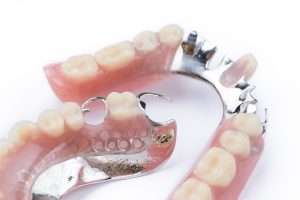
Historically, replacing a missing tooth meant relying on a traditional dental bridge or a removable partial denture. While these methods serve a functional purpose, they come with significant anatomical drawbacks. A traditional bridge requires the filing down of perfectly healthy adjacent teeth to serve as anchors for the prosthesis. This alteration permanently damages healthy enamel and increases the risk of future decay or nerve damage in those supporting teeth.
Conversely, a dental implant functions entirely independently. It replaces both the root and the crown of the missing tooth, leaving the neighboring teeth completely untouched. Furthermore, because the implant post is embedded directly into the jawbone, it mimics the natural stimulation provided by tooth roots during chewing. This constant stimulation prevents the jawbone atrophy that inevitably occurs when teeth are lost, preserving facial aesthetics and overall oral health.
The Journey of a Single Tooth Implant in Elmhurst
Replacing a missing or failing tooth with a dental implant is widely considered the gold standard in modern restorative dentistry. The structural design provides unmatched stability and longevity. The journey from the initial diagnostic appointment to the final placement of the custom crown is carefully phased. Each step is meticulously designed to prioritize patient safety, restore biomechanical function, and deliver a natural-looking aesthetic appeal.
The Initial Consultation and 3D Diagnostics
The process begins with a comprehensive, in-depth evaluation. During this initial stage, the oral surgeon evaluates the patient’s overall dental health, reviews comprehensive medical histories, and determines the viability of the designated implant site. Precision is paramount in implant dentistry, which is why 3D imaging is heavily utilized in contemporary treatment planning. High-resolution cone-beam computed tomography (CBCT) scans allow the surgical team to map out the exact anatomical structures, locate sensitive nerve pathways, and measure the exact bone density present in the jaw. This meticulous digital planning ensures that the subsequent surgical phases are highly predictable, minimally invasive, and incredibly safe.
Preparatory Steps and Site Development
Before placing the implant post, the designated surgical site must be thoroughly prepared. If the affected tooth is still present but severely decayed or fractured beyond repair, a precise and atraumatic extraction is performed. In many instances where a tooth has been missing for a long time, the jawbone may lack sufficient volume, height, or density to support an implant securely. In these scenarios, a bone grafting procedure becomes necessary.
Learning about bone grafting helps patients understand how specialized, biocompatible graft materials are meticulously placed into the socket or deficient ridge to rebuild a solid, robust foundation. Healing from a bone graft typically adds several months to the overall timeline, as the graft material must integrate with the native bone. While it extends the treatment duration, a strong bony foundation is a non-negotiable prerequisite for long-term implant success.
The Surgical Placement Phase
Once the jawbone is fully healed and deemed strong and dense enough by the surgical team, the actual surgical placement of the implant post occurs. This is the core surgical step in permanently restoring the smile.
Inserting the Titanium Post
The placement procedure involves making a small, precise incision in the gum tissue to gently expose the underlying bone. The oral surgeon then carefully creates a specialized space in the jawbone and precisely inserts the threaded titanium implant post. Because titanium is highly biocompatible, it is readily accepted by the human body without causing adverse immune reactions. After the post is secured, the gum tissue is often sutured back over the implant to protect it while it heals beneath the surface. For those exploring dental implants, it is helpful to know that this surgical step is generally performed under local anesthesia, nitrous oxide, or intravenous sedation, ensuring an entirely comfortable and anxiety-free experience.
The Critical Phase of Osseointegration
Following the surgical insertion, the body undergoes a remarkable natural healing process known as osseointegration. During this crucial period, which typically lasts anywhere from three to six months, the living jawbone cells slowly grow around and adhere tightly to the microscopic, roughened grooves of the titanium post.
This structural fusion is precisely what gives a dental implant its exceptional, root-like strength, allowing it to withstand the heavy bite forces associated with daily chewing and grinding. Following all recommended care guidelines after dental implant surgery is essential during this phase. Patients must prioritize excellent oral hygiene and stick to softer diets initially to prevent infection and avoid placing premature pressure on the healing surgical site.
Finalizing the Restoration Process
After successful osseointegration is confirmed by the oral surgeon, often verified through follow-up imaging and stability tests, the final restorative stages of the tooth replacement process can commence.
Attaching the Abutment
The next milestone is the placement of an abutment, a small but robust connector piece that effectively bridges the subsurface implant post and the above-gum final crown. A minor, minimally invasive procedure is performed to gently reopen the gum tissue, exposing the top of the integrated implant post. The abutment is then securely fastened to the post. In some instances, a healing collar (or healing abutment) is placed temporarily to help the soft gum tissue heal and shape naturally around the future crown. This soft tissue maturation typically takes about two to three weeks.
Securing the Custom Dental Crown
Once the gums have properly healed and contoured around the abutment, highly accurate digital impressions or physical molds of the mouth are taken. These precise impressions serve as the exact blueprint for crafting the final restoration. A specialized dental laboratory fabricates a custom porcelain or ceramic crown designed to match the exact shade, translucency, shape, and size of the surrounding natural teeth.
When the final crown is ready, the patient returns for the final fitting. The crown is carefully adjusted for the perfect bite and then permanently bonded or screwed onto the abutment, fully completing the restoration. The end result is a highly functional, durable, and aesthetically pleasing tooth that seamlessly blends into the natural smile, restoring full chewing capacity and speaking clarity.
Key Factors Influencing the Timeline for a Single Tooth Implant in Elmhurst
While the standard timeline averages several months, the individual experience may vary significantly based on a variety of health, lifestyle, and anatomical factors. Patients can review educational resources debunking common myths about dental implants to gain a realistic, science-based perspective on what truly influences these clinical timelines.
- Bone Density and Health: Robust, healthy jawbones allow for much quicker cellular healing, whereas significant bone loss mandates complex grafting procedures, inevitably extending the total timeline.
- Overall Systemic Health: Underlying medical conditions, such as uncontrolled diabetes, osteoporosis, or autoimmune disorders, can slow the body’s natural healing capabilities, potentially increasing the time required for complete and stable osseointegration.
- Tobacco Use: Smoking dramatically reduces oxygen-rich blood flow to the oral tissues, impeding cellular healing, increasing infection risks, and drastically increasing the probability of implant failure.
- Procedural Variations: While single tooth replacements follow a standard trajectory, individuals requiring full-arch restorations utilizing an All-On-X approach may experience different provisional timelines, often leaving the office with temporary functional teeth on the same day.
The Importance of Choosing Experienced Specialists
Selecting an experienced, highly credentialed surgical team is critical when embarking on a comprehensive tooth replacement journey. Precision surgery requires an extensive understanding of oral and maxillofacial anatomy. Patients seeking high-quality, predictable outcomes can learn more about the state-of-the-art practice at Advanced Oral & Maxillofacial Surgery.
By thoroughly reviewing professional credentials and taking the time to meet the oral surgeons, patients can feel completely confident in the supreme level of expertise managing their surgical care. Detailed surgical pre-planning, a steadfast commitment to utilizing advanced diagnostic technology, and a prioritized focus on patient comfort are the hallmarks of successful oral surgery. For personalized clinical assessments and meticulously tailored treatment planning, individuals are encouraged to contact the Elmhurst office directly to begin their restorative journey.
Frequently Asked Questions
Is the dental implant surgery painful?
Patients generally report minimal discomfort during the actual surgical procedure, as it is performed using advanced local anesthesia, intravenous sedation, or general anesthesia. Post-operative pain is typically mild to moderate and can be managed highly effectively with prescribed medications or over-the-counter pain relievers during the initial days of the healing process.
What is the success rate for single tooth implants?
When performed by a specialized, skilled oral surgeon and cared for properly by the patient at home, dental implants boast an exceptionally high success rate of up to 95 to 98 percent. Adhering strictly to a rigorous daily oral hygiene routine and attending regular preventative dental checkups are crucial factors in maintaining this high long-term success rate.
Can an implant be placed on the same day a tooth is extracted?
In certain ideal clinical cases, immediate implant placement is entirely possible directly following a gentle tooth extraction. However, this expedited process depends entirely on the presence of sufficient, healthy jawbone and the absolute absence of active infection at the extraction site. An oral surgeon must carefully evaluate the specific anatomical conditions to determine if this accelerated approach is viable and safe.
How long do single tooth dental implants last?
The biocompatible titanium implant post is uniquely designed to be a permanent structural fixture in the jawbone and can easily last a lifetime with proper, consistent care. The custom dental crown attached to the top of the implant may eventually require replacement due to normal, daily wear and tear over a period of 10 to 15 years.
Are dental implants susceptible to cavities and decay?
No, the synthetic materials used to fabricate dental implants, abutments, and crowns are completely artificial and simply cannot decay like natural tooth enamel. However, the living gum tissue and bone surrounding the implant remain highly vulnerable to periodontal disease. Maintaining excellent brushing and flossing habits is absolutely essential to protect the supporting tissues and ensure the implant remains securely anchored.