
Patients should generally schedule necessary procedures before the calendar year ends to maximize their annual benefits if deductibles have already been met. Taking advantage of remaining coverage prevents unused funds from expiring at midnight on December 31st. Navigating the specifics of oral surgery dental insurance in Elmhurst early in the season also ensures appointment availability before the end-of-year scheduling rush begins.
Understanding Oral Surgery Dental Insurance in Elmhurst
For individuals requiring specialized care, understanding the intricacies of their coverage is a vital step in comprehensive treatment planning. Most policies operate on a calendar-year basis, meaning the financial parameters reset entirely on January 1st. This reset impacts how out-of-pocket costs are calculated and applies to virtually all routine and specialized treatments. Patients seeking treatment at Advanced Oral & Maxillofacial Surgery benefit significantly from reviewing their policies well before the holiday season.
The Role of Annual Deductibles
An annual deductible is the set amount a patient must pay out-of-pocket for dental services before the insurance provider begins to cover any costs. Throughout the year, payments made toward exams, cleanings, and minor procedures chip away at this deductible. Once the deductible is met, the insurance company typically covers a percentage of subsequent treatments. If a patient requires an advanced procedure in late autumn, they have likely already met this threshold. Delaying treatment until January means the deductible resets, requiring the patient to pay that initial amount all over again before coverage applies.
Navigating Annual Maximums
Conversely, the annual maximum is the highest total amount the insurance provider will pay for a patient’s dental care within one calendar year. This cap varies widely between different plans. If a patient requires a procedure but has not yet reached their annual maximum, scheduling the treatment before the year ends utilizes those available funds. Any unused portion of the annual maximum does not roll over to the following year; it simply disappears. Proper planning ensures patients extract the highest possible value from their annual premiums.
Strategic Timing for Multi-Stage Procedures
Certain treatments require multiple phases of care, often spaced weeks or months apart. This staggered timeline presents a unique financial advantage for those tracking their oral surgery dental insurance in Elmhurst. By initiating the first phase of treatment in late November or December, patients can utilize the remaining balance of the current year’s maximum. When the second phase occurs in January or February, the new calendar year has started, providing a fresh annual maximum to apply to the final steps of the process.
Extracting and Replacing Teeth
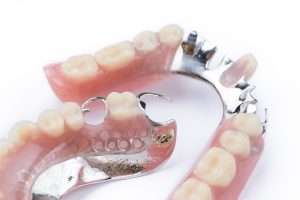
A prime example of phased treatment involves tooth extractions followed by replacement. A patient might undergo the extraction and an initial bone grafting procedure in December. The costs for this first surgical phase exhaust the remaining benefits for the current year. After the necessary healing period, the patient returns in the new year for the placement of the restoration, which is then billed against the newly reset annual maximum. This strategic split can significantly reduce total out-of-pocket expenses for extensive rehabilitations.
Common End-of-Year Procedures
The final months of the year are traditionally the busiest for surgical practices. Patients frequently combine their expiring insurance benefits with accumulated holiday time off from work or school to facilitate a smooth recovery. Understanding which procedures align best with end-of-year scheduling helps patients prioritize their oral health.
Wisdom Teeth Extraction
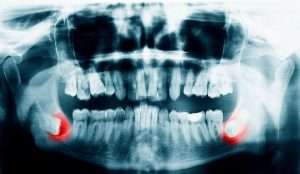
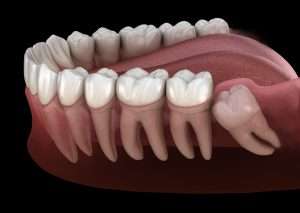
The removal of third molars is one of the most frequently scheduled procedures during the winter months. High school and college students often utilize their extended winter breaks to undergo wisdom teeth removal. Because recovery typically requires several days of rest, the holiday break offers an ideal window that avoids absences from classes or extracurricular activities. Since this preventative procedure is often partially covered by insurance, coordinating it before the policy resets is a highly cost-effective strategy.
Dental Implants and All-On-X Solutions
For those dealing with missing or severely failing teeth, restorative solutions are a primary focus. Modern dental implants offer a durable, long-term foundation for replacement teeth. Patients requiring full arch rehabilitation may opt for advanced All-On-X treatments, which provide a complete set of stable, fixed teeth. While these comprehensive solutions represent a significant investment, utilizing remaining annual maximums toward the preparatory stages, such as imaging or preliminary extractions, can substantially offset the initial costs.
Flexible Spending Accounts and Health Savings Accounts
In addition to traditional insurance, many individuals contribute to a Flexible Spending Account (FSA) or a Health Savings Account (HSA). These employer-sponsored accounts allow individuals to set aside pre-tax dollars for eligible medical and dental expenses. However, these accounts often come with strict deadlines.
The FSA Use It or Lose It Rule
Flexible Spending Accounts are notorious for their strict calendar-year deadlines. In most cases, any funds remaining in an FSA at the end of the year are forfeited. While some employers offer a small carryover amount or a brief grace period into the new year, the safest approach is to utilize all allocated funds before December 31st. Applying these pre-tax dollars to remaining surgical fees, copayments, or non-covered aspects of a procedure ensures the patient’s hard-earned money is not wasted.
Health Savings Account Advantages
Unlike FSAs, Health Savings Accounts generally allow balances to roll over indefinitely from year to year. However, utilizing HSA funds in conjunction with expiring annual insurance maximums remains a savvy financial strategy. Patients can use their HSA to cover the deductible or co-insurance portion of their end-of-year procedure, allowing the primary insurance to shoulder the bulk of the surgical costs before the reset.
The Importance of Early Pre-Authorization
One critical factor often overlooked by patients is the time required to secure insurance pre-authorization. For many surgical procedures, insurance providers mandate a formal pre-treatment estimate to confirm the medical necessity and outline exactly what percentage of the cost will be covered.
Navigating Processing Delays
Insurance companies experience a massive surge in pre-authorization requests during the fourth quarter of the year. Due to this high volume, a review process that typically takes a few days in the spring might take several weeks in November. Patients who wait until mid-December to contact the Elmhurst office for a consultation may find that there is not enough time to receive the required pre-approval before the year concludes. Scheduling a consultation in early autumn provides ample time for the administrative staff to submit documentation, receive approval, and secure a spot on the surgical schedule.
Steps to Maximize Oral Surgery Dental Insurance in Elmhurst
Taking a proactive approach to healthcare financing requires a few fundamental steps. By staying organized and acting early, patients ensure a stress-free administrative process and a seamless clinical experience.
1. Review the Policy Details
The first step is for the patient to log into their provider portal or review their benefits packet to determine their current status. Identifying the exact annual maximum, tracking how much of the deductible has been met, and understanding specific coverage percentages for surgical codes are crucial details. For a deeper look at navigating these complexities, reading about understanding dental insurance policies can provide clarity on common industry terms and requirements.
2. Schedule a Consultation
Clinical evaluation is necessary to formulate a precise treatment plan. Patients should arrange to meet the oral surgeons well before the desired procedure date. During this visit, the surgical team conducts necessary imaging, evaluates oral health, and creates a tailored approach. This consultation generates the specific medical codes needed for the pre-authorization request.
3. Finalize the Timeline
Once the treatment plan is established and the insurance estimate is returned, the patient and the scheduling coordinator can select the optimal dates. If the procedure involves multiple phases, the team can expertly map out which appointments should occur in December and which are best reserved for January.
Preparing for the Winter Recovery Process
Scheduling procedures at the end of the year aligns perfectly with the slower pace of the winter season. The body requires adequate rest to heal efficiently following clinical intervention. The period between major holidays often provides a natural lull in professional and social obligations, giving patients the quiet time necessary to focus on post-operative care.
Stocking Up on Soft Foods
Winter naturally lends itself to a softer, warmer diet. Soups, broths, mashed potatoes, and pureed vegetables are staples of the season and fit perfectly within a post-operative dietary regimen. Preparing these meals in advance and freezing them ensures that the patient does not need to worry about cooking during the initial days of recovery.
Following Clinical Guidelines
Strict adherence to the provided post-operative instructions ensures a smooth healing process. Patients are guided on how to manage swelling, maintain proper oral hygiene without disturbing surgical sites, and gradually reintroduce solid foods. Taking the time to heal properly during the end-of-year break means starting the new year with improved oral health and restored function.
Frequently Asked Questions
What happens to unused dental benefits at the end of the year?
For the majority of standard policies, any unused portion of the annual maximum is forfeited at midnight on December 31st. The funds do not roll over to the following year, which is why utilizing them for necessary treatments before the deadline is highly recommended.
Can a multi-step procedure be split between two calendar years?
Yes, staggering a multi-phase treatment plan across December and January is a very common strategy. This approach allows the initial phase to draw from the current year benefits and the concluding phase to draw from the newly reset annual maximum of the following year.
Are All-On-X procedures covered by standard policies?
Coverage for comprehensive All-On-X treatments varies greatly depending on the specific provider and plan. While the entire procedure is rarely covered in full, policies often cover preliminary steps such as imaging, necessary extractions, or bone grafting. A formal pre-authorization is required to determine exact coverage.
How long does insurance pre-approval typically take in the winter?
Due to the high volume of claims filed at the end of the year, pre-authorizations can take anywhere from two to six weeks. Patients are strongly encouraged to complete their initial consultations in the early fall to ensure approvals are received before benefits expire.
Can Flexible Spending Account funds be used for oral surgery?
Yes, FSA pre-tax funds are widely accepted for eligible surgical expenses, including copayments, deductibles, and fees not covered by primary insurance. Because most FSA funds expire at the end of the year, applying them to pending procedures prevents those funds from being lost.