
For individuals wondering if All-On-X is better than conventional dentures, the answer is a resounding yes for most clinical cases. By permanently anchoring a full arch of prosthetic teeth to the jawbone using strategically placed implants, this modern solution provides unmatched stability, superior chewing function, and a completely natural feel. Patients researching an All-On-X Elmhurst provider quickly discover that implant-supported teeth eliminate the slipping, soreness, and dietary restrictions typically associated with traditional removable dentures.
Understanding Traditional Dentures vs. All-On-X Restorations
To fully grasp why implant-supported solutions are transforming modern restorative dentistry, it is essential to understand the structural differences between conventional dentures and fixed full-arch prosthetics. Both aim to replace missing teeth, but their methods of attachment and interaction with the oral anatomy are vastly different.
The Mechanics of Traditional Dentures
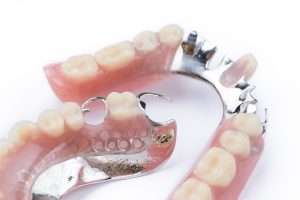
Conventional dentures have been the standard treatment for complete tooth loss for decades. These appliances are crafted from an acrylic base designed to mimic the appearance of gum tissue, holding false teeth made from acrylic or porcelain. Traditional dentures sit directly on top of the gums and rely entirely on natural suction, facial muscles, and over-the-counter dental adhesives to stay in place. Because they lack a connection to the underlying jawbone, they are prone to shifting during speaking or eating, which can cause friction and soft tissue irritation over time.
The Mechanics of All-On-X Implant Supported Prosthetics
An All-On-X system approaches full-arch restoration completely differently. Instead of resting on the gums, this procedure uses multiple dental implants—usually between four and eight titanium posts—surgically embedded into the dense areas of the jawbone. Through a process called osseointegration, the jawbone fuses with the titanium posts, creating a foundation as strong as natural tooth roots. A customized, permanent prosthetic bridge is then securely attached to these implants. For patients dealing with missing all upper or lower teeth, this method provides a fixed solution that does not need to be removed at night or during meals.
Comparing Comfort: Which Option Feels More Natural?
Comfort is often the primary concern for individuals transitioning to a full-arch replacement. While modern traditional dentures are more customized than those of the past, they still present inherent comfort challenges that implant-supported prosthetics resolve.
Eliminating Slippage and Soreness
Because conventional dentures float on the gums, they can easily become dislodged. The resulting friction often leads to painful sore spots and inflammation along the gum line. In contrast, an All-On-X prosthesis is rigidly fixed to the implants, transferring the forces of chewing directly into the bone rather than onto the sensitive gum tissue. This eliminates friction entirely, providing a pain-free experience once the initial surgical sites have fully healed.
A Less Bulky Palate
Upper traditional dentures require a large acrylic plate that covers the entire roof of the mouth to create the necessary suction. This bulky palate coverage can trigger the gag reflex in sensitive individuals and severely diminish the ability to taste and sense the temperature of food. All-On-X restorations are streamlined and horseshoe-shaped, leaving the roof of the mouth completely uncovered. This minimalist design feels much closer to a natural set of teeth and restores full sensory experience during meals.
Why Choose an All-On-X Elmhurst Procedure for Optimal Function?
The aesthetic benefits of a new smile are important, but the mechanical function of the teeth is what ultimately dictates quality of life. The ability to chew thoroughly and speak clearly heavily favors implant-supported options.
Dietary Freedom and Bite Force
A natural set of teeth provides a robust bite force that allows for chewing tough or crunchy foods. Traditional dentures typically only restore about 15 to 20 percent of a patient’s original bite force. Consequently, denture wearers often must modify their diets, avoiding raw vegetables, nuts, steak, and apples. An All-On-X system restores upwards of 80 to 90 percent of natural chewing power. Because the prosthetics are securely anchored into the jawbone, patients can confidently return to a normal, unrestricted diet.
Clearer Speech Patterns
Speaking clearly requires precise interactions between the tongue, lips, and teeth. When dentures shift or slip, it can cause mumbling, slurring, or embarrassing clicking noises. Denture wearers frequently have to relearn how to pronounce certain words and may hesitate to speak forcefully to avoid dislodging their teeth. Because All-On-X restorations are permanently fixed in the mouth, they function just like natural teeth, allowing for confident, clear speech without the fear of an appliance falling out.
Evaluating Longevity and Oral Health Benefits
When weighing tooth replacement options, it is critical to look beyond the initial placement and consider the long-term impact on overall oral health and anatomy. The differences in longevity between removable and fixed options are substantial.
Preserving Jawbone Density
The most significant clinical advantage of the All-On-X system is bone preservation. Natural tooth roots stimulate the jawbone during chewing, signaling the body to send nutrients to the area. When teeth are lost, this stimulation ceases, leading to jaw bone loss and deterioration over time. Traditional dentures do nothing to stop this resorption; in fact, the constant pressure of the acrylic on the gums can actually accelerate bone loss, leading to a sunken facial appearance. Titanium dental implants act as artificial roots, providing the necessary stimulation to maintain jawbone volume and preserve facial structure.
Lifespan of the Prosthetics
As the jawbone shrinks beneath traditional dentures, the fit of the appliance changes. This requires regular clinical visits for relining, and a completely new set of dentures is typically needed every five to seven years. While the initial cost of dental implants is higher, the titanium posts are designed to last a lifetime with proper care. The attached prosthetic bridge is crafted from highly durable materials like zirconia, which can last 15 years or more before requiring maintenance or replacement. For many patients, the long-term durability makes the All-On-X approach a more cost-effective investment over time.
Candidacy and the Surgical Process
Advancements in implant dentistry have made fixed solutions more accessible than ever, even for patients who were previously told they lacked the bone density for implants.
Who is a Good Candidate?
Ideal candidates for an All-On-X restoration are individuals who are missing most or all of their teeth along an arch, or those with severely failing dentition. Because the implants are placed at strategic angles, this procedure often maximizes existing bone and reduces the need for extensive bone grafting prior to surgery. However, patients must have generally healthy gums, be non-smokers, and not suffer from uncontrolled systemic conditions that could impair healing. The specialists at Advanced Oral & Maxillofacial Surgery conduct thorough 3D imaging to determine exact candidacy and anatomical suitability.
Understanding the Treatment Timeline
One of the most remarkable aspects of modern implant dentistry is the efficiency of the procedure. Depending on the clinical situation, many patients can benefit from Teeth In A Day protocols, where any necessary extractions, implant placement, and the attachment of a temporary fixed bridge are all completed in a single surgical visit. After a healing period of several months to allow for complete osseointegration, the temporary bridge is replaced with the final, custom-crafted permanent restoration. Individuals ready to restore their smile can meet the oral surgeons for a comprehensive evaluation and customized treatment plan.
Choosing the Right Solution for the Future
While traditional dentures offer an economical, non-surgical way to replace missing teeth, they simply cannot match the biological and functional benefits of implant-supported restorations. By prioritizing comfort, dietary freedom, and long-term bone preservation, the All-On-X system represents the gold standard in full-arch rehabilitation. Patients experiencing the daily frustrations of removable dentures are encouraged to contact the Elmhurst office to explore how fixed implant solutions can drastically improve their quality of life.
Frequently Asked Questions
Is All-On-X better than dentures?
Yes, for most patients, All-On-X provides superior stability, comfort, and function by permanently anchoring prosthetic teeth to the jawbone using dental implants. Unlike traditional dentures, this solution preserves jawbone health and completely eliminates slipping.
Can traditional dentures be converted into an All-On-X system?
While an existing standard denture cannot be directly converted into a permanent fixed bridge, the teeth can often be used as a template. A brand-new custom prosthesis must be fabricated to correctly attach to the titanium implants and withstand the increased bite forces.
How long do All-On-X prosthetics last compared to conventional dentures?
Conventional dentures typically need to be relined frequently and completely replaced every five to seven years due to jawbone shrinkage. The titanium implants used in an All-On-X procedure are designed to last a lifetime, while the durable prosthetic bridge can last 15 years or more with proper hygiene.
Is it easier to clean an implant-supported prosthesis than a removable denture?
Implant-supported teeth are maintained much like natural teeth. Patients brush them daily and use specialized floss or water flossers to clean beneath the bridge. This routine is generally preferred over the daily soaking, scrubbing, and messy adhesives required for traditional dentures.
Will an All-On-X restoration look natural?
Yes. The prosthetic bridge is carefully customized to match the natural shape, size, and color of real teeth and gums. Because the restoration does not require a bulky acrylic palate or large gum margins, the final result looks and functions remarkably like a natural smile.